
Branding Is Systems Thinking
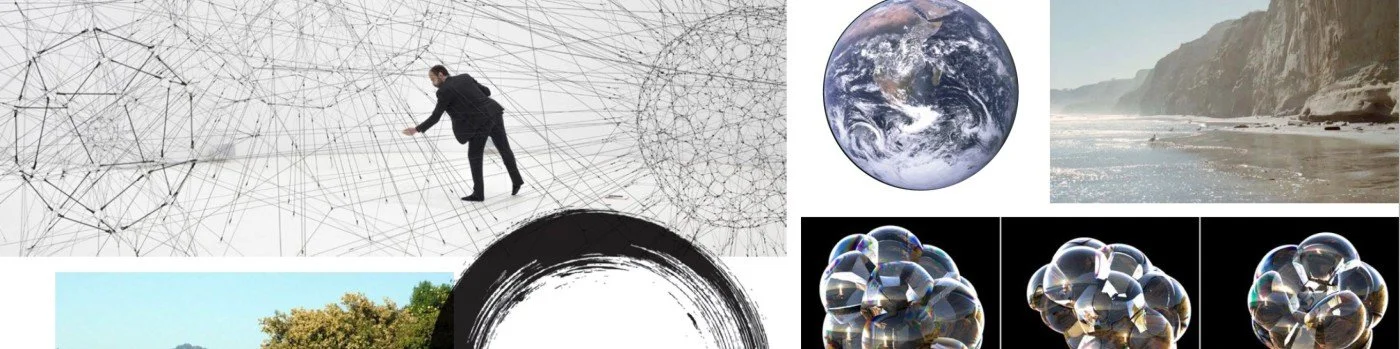
I’ve been reflecting on what I do in the branding space so that I, myself, can reach the right clients. I’ve read that dyslexic people are often good at spotting trends and simplifying complex information to convey big-picture ideas clearly. As someone who has never been formally diagnosed as dyslexic, but shows many of the symptoms, I strongly identify with these traits. And it’s definitely what brings me to my brand strategy practice. Because branding is systems thinking – making many parts that work together to create a perceptible whole.
My clients come to me when they are scattered and running into confusion. Their potential clients may be going to their website and getting the wrong impression – thinking that they offer a different type of service than they actually offer. Or, upstream of that, they might not even know how to define or talk about how they bring value, even though they know that they do.
A lot of this is a question of alignment. Some of my clients are bringing a unique property to market and the typical marketing infrastructure doesn’t match the rarity of the place and doesn’t reach the right audience. They need a different strategy and a different caliber of materials. Where one client may need to connect digitally, another might need a special print piece that really stands out in our screen-addicted world.
Some clients come to me when they are ready to pivot, reinvent, or convey a vision that doesn’t exist yet. They need to enroll the right people (investors, donors, collaborators) to bring something new into the world. They need to paint a clear and exciting picture of their idea and show their credibility. My job is to listen for what’s already working, figure out where the gaps are, and create a brand and communication materials that tell the whole story to the right people.
Sometimes very specialized consultants come to me saying that they want a brand like Nike or McDonald's that “everyone can recognize.” I like the ambition, but I have to remind them that, unlike the global product brands we are most familiar with, whose target customers are almost all of the 8.32 billion people on Earth, they personally will only succeed by reaching their very specific audiences. These may be state agencies, regional donors or a handful of people who have the wealth and wherewithal to invest in a specific type of property or project.
What we call a “brand” encompasses all the ways that your business or organization is represented and experienced by your clients, potential clients and referral partners. Concretely, this includes your logo, colors, website, social media presence, brochures, pitch decks, packaging, etc. But all these items are really tools for conveying who you are and what you offer through words, images and objects. And of course your brand is also your organization’s way of being – the way your clients or participants experience your offerings. What I create as a brander must align with that, both in terms of tone and style and in terms of medium. As communication theorist Marshall McLuhan noted in the mid 1960s, “the medium is the message.”
Branding, like all creative acts, brings form to formlessness. And formlessness, stuckness and confusion are, by nature, hard to identify. Sometimes stuck clients tell me, “I’m not ready to work with you because I don’t know what we need yet.” But, as a colleague pointed out, that’s like saying that you don’t want to engage with a personal trainer because you don’t yet know what kinds of exercises you should be doing. If you know you need to take action or make your work easier, but you don’t know how, it’s likely that brand strategy can help. It’s not just about making things look good, it’s about creating systems that work.